Creative Arts
Art is a fundamental form of personal communication. The art curriculum at Malorees School is designed to equip pupils with the knowledge and skills necessary to express what they see, think, and feel, using the visual elements, materials and processes of art. Through developing artistic knowledge, combined with investigating, making, and evaluating, pupils can experience and demonstrate the highest forms of human creativity.
Creative progression is met through an art, craft and design curriculum that purposely scaffolds the necessary knowledge and skills, so pupils become more proficient in drawing, painting, sculpture and printing. Our art curriculum stimulates pupils to know, think critically and develop a deeper understanding about art. They will recognise how art reflects and shapes history, as well as contributes to the culture, creativity, and the wealth of nations. We explore a diverse range of artists which develops their understanding of the world around allowing children to understand how others perceive the world we live in, so pupils become visually literate learners.
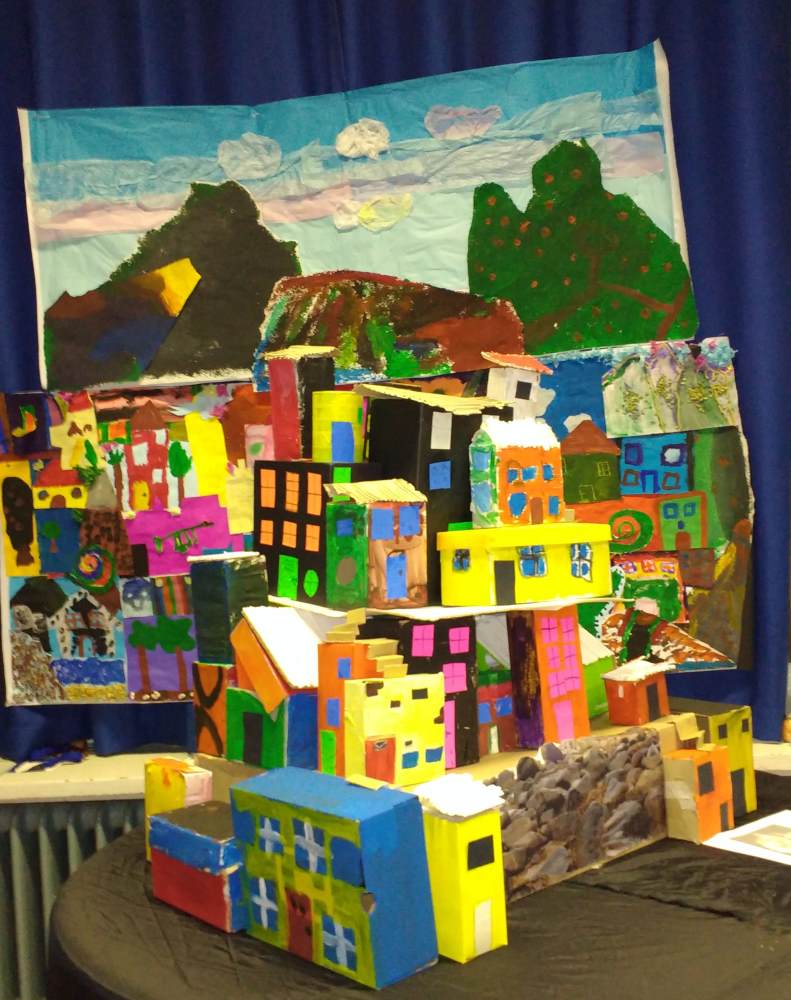
Each year we have an Arts Week in the Summer Term where the whole school works to a theme or responds to one artwork and we explore a variety of different media across the year groups cumulating into an exciting and professional exhibition of the whole school’s work. Each year group (Year 1-6) visit a variety of galleries and museums to support their Art learning.
Ultimately, we believe that such a considered curriculum will inspire children topursue their love of art far beyond their primary schooling – whether for pleasure, profession, or both.
Design & Technology
The Design and Technology curriculum at Malorees seeks to ensure that children across the school are educated in the vital skills, knowledge and understanding of designing and making functional, appealing and purposeful products. We aim to inspire the next generation to be excited and involved in the modern, changing environment we live in. By doing this, children will be able to be fully functioning members of our modernising society. We feel it is vital to nurture creativity and innovation through design, and by exploring the designed and made world in which we all live and work.
Design and Technology education involves two important elements. First, learning about the designed and made world and how things work. Second, learning to design and make functional products for purposes and users. Children in KS1 will design functional products for themselves, whereas KS2 children will consider the needs and wants of other users. Children of all year groups will design, make, and evaluate each project. This cycle is crucial and allows for progression to continuously take place as children advance their skills and key vocabulary in each project, building year on year. Within this curriculum context, children will learn about aspirational individuals who have shaped design and technology, such as chefs and engineers. As the children begin their design and technology journey, they will work in contexts such as the home, school, playgrounds, and gardens. This will progress to KS2 children working in similar contexts as they consider the features of products for leisure, industry, and the wider environment.
Our curriculum is purposefully progressive and aims to continuously inspire and motivate children, creating a love for the importance of design and technology today. We are deliberately passionate in our teaching of this subject to give every child the best possible experience in learning the vital skills for potential careers in design and technology. The children will also complete a food and nutrition unit in each year which will progressively build on previous learned skills and teach them about nutrition and the importance of eating a healthy diet whilst exploring where food comes from, cooking with seasonal produce, adapting recipes and packaging the product to appeal to the consumer.
Art and Design Technology Curriculum Overview
|
Autumn Term |
Spring Term |
Summer Term |
||||
|
Year 1 |
Drawing Line and shape |
Painting Colour Splash |
DT Structures Pencil Pots |
Sculpture Paper Sculpting |
Printing Found objects
|
DT Food Smoothies |
|
Year 2 |
Sculpture Clay Houses |
Printing Nature |
DT Structures A chair for a bear |
DT Food Healthy Wraps |
Painting Texture Collage |
Drawing Dada and Surrealism |
|
Year 3 |
DT Textiles Bookmarks |
Sculpture Cardboard Sculptures |
Painting Plant life |
Printing Pattern Prints |
DT Food Seasonal Tarts |
Drawing Drawing with scissors |
|
Year 4 |
DT Structures Pavilion |
Printing Cityscapes |
Sculpture Clay Dragon Eyes |
DT Food Biscuits |
Painting Landscape |
Drawing Form and Tone |
|
Year 5 |
Drawing Portraits |
DT Food Veggie Alternatives |
Printing Collagraph Printing |
Sculpture Abstract Forms |
DT Textiles Pencil cases |
Painting Inspirational People |
|
Year 6 |
Printing Banksy Frank Bowling |
Sculpture Environment |
Painting Identity |
DT Food Salad Bar |
Drawing Op Art |
DT Structures Playgrounds |
Special Dates:
World Arts Day 15th April 2025
Arts Week 15th – 19th June 2025
Arts Week Exhibition Friday 26th June2025